Nova Scotia … here we come!
Join me for an exciting tour of Halifax, Peggy’s Cove and more. All happening June 2-8 with an added post tour June 8-11 to attend Quilt Canada. Workshops, guided tours, even a lobster dinner!
Join me for an exciting tour of Halifax, Peggy’s Cove and more. All happening June 2-8 with an added post tour June 8-11 to attend Quilt Canada. Workshops, guided tours, even a lobster dinner!

When you wake up on a funk, how do you get out of it? I share what I do to get back to feeling centred and connected.

Another class for January 30: Monoprinting in Layers. And Art and Fabric sale at 20% off until the end of the day on January 30th.
New Classes have been added. Check the website or click on the links provided in the post.

New Year. New Goals? New Resolutions? Exciting ideas dancing around.

Happy New Year! A great way to start the year is with a workshop to learn a new technique or brush up on an old one. I am offering some workshops in January and I hope you’ll consider joining me for one.

Thank you to those who joined Create2Flourish during open registration.

Registration is now open to join Create2Flourish, a program to help bring your art to a new level, gain confidence, get started on your creative journey and create work to tell your story.

While visions of sugar plums dance in my head, I can tell you that the Leighton Art Centre’s Foothills Art Sale is on, and the segments I taped for The Quilt Show are ready for viewing. Exciting news!

Super excited to let you know that the segments I taped in August for The Quilt Show are going to be available for viewing on Sunday, November 6th! If you are not a subscriber to The Quilt Show, we’ve got you covered. They are offering a 7-day Free Trial of their entire website so you’ll…
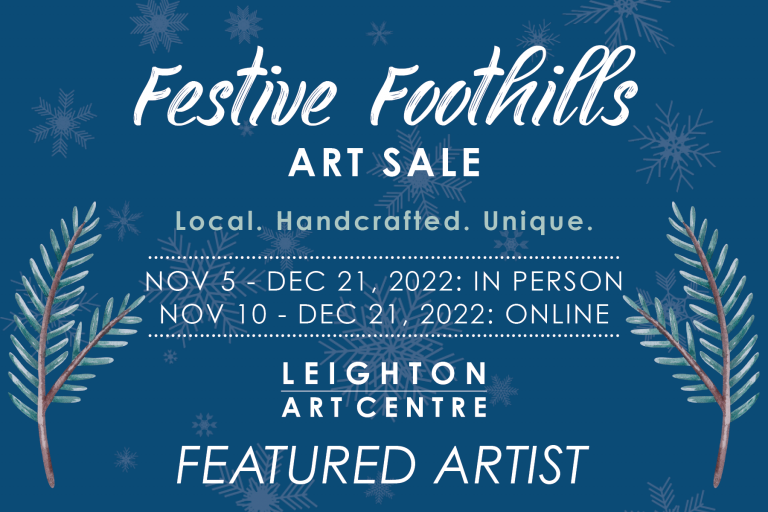
What’s going on in my studio in the next little while? Read on to find out about upcoming workshops, exhibitions and when registration opens for the membership program.
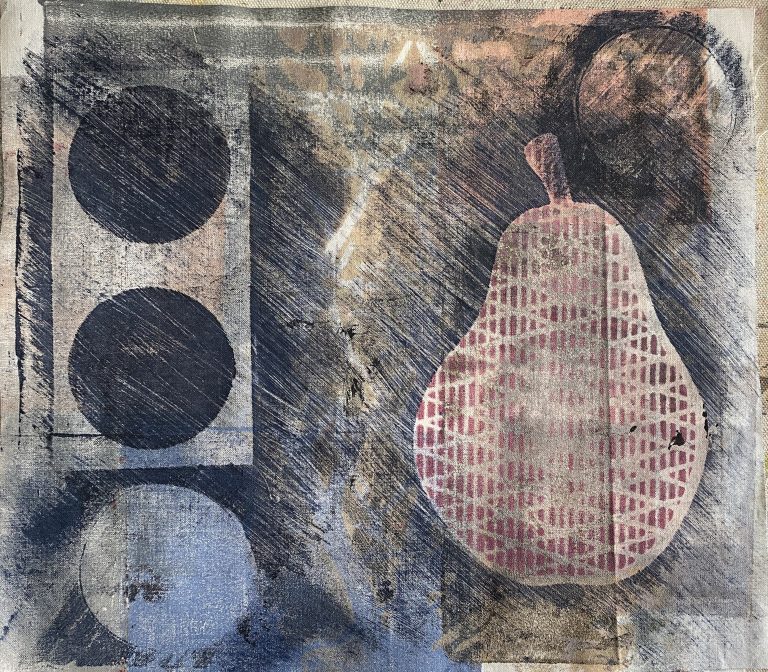
We are talking about having expectations about our art, and making a lot of bad art to make some good art
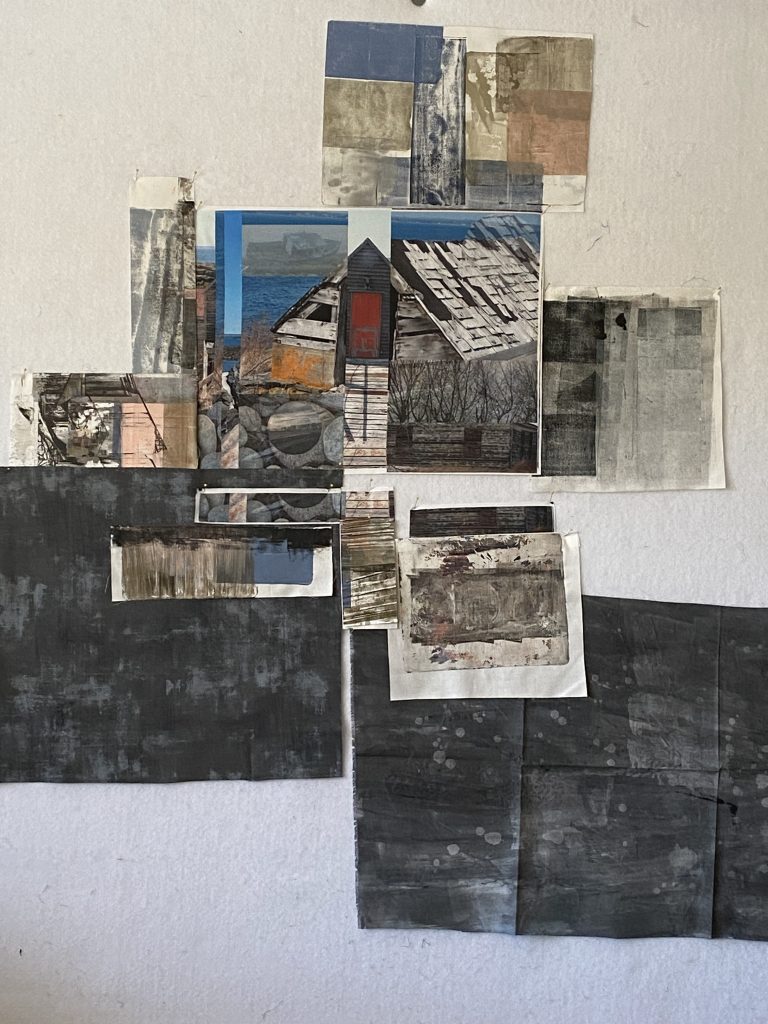
“We cannot erase our pasts, however hard we try. Instead we must carry them with us into the future. We must carry them with us and look forward with hope. We must look forward because to look back is to waste precious time. We should live as we have never lived.”

We continue where we left off – and end the discussion with the fourth reason given most often for not choosing Must: Vulnerability – far scarier and spoken about much less, because choosing Must means you must confront some very big fears: what’s all this for? Some obscure dream? A childhood fantasy? A fleeting feeling…

We talk this week about Space: space to create, to make, to think, to feel safe or just to be.